The first unsettling signs appeared when Kornel Zaborski was only four months old. While other babies were beginning to lift their heads and explore the world around them, Kornel struggled to do even that. His parents sensed something was wrong long before they had words for it — a quiet, persistent fear that settled into their hearts and refused to leave.
They sought medical help, hoping for reassurance. Instead, doctors diagnosed Kornel with low muscle tone. Rehabilitation began immediately. Every exercise, every therapy session was driven by one simple hope: that their son would catch up with his peers and grow into a healthy, independent child.
Progress came slowly and demanded enormous effort. Kornel learned to sit up at ten months. He took his first steps at twenty-two months. Each milestone was celebrated with joy, yet always accompanied by worry. His movements required far more strength than they should have. His parents knew this was more than a simple delay.
A visit to a neurologist brought little comfort. They were told Kornel would likely always be weaker than other children because of his low muscle tone. But the explanation didn’t sit right. The fear remained. Trusting their instincts, his parents sought a second opinion — a decision that would change their lives forever.
The new neurologist immediately ordered extensive testing and referred Kornel for genetic diagnostics. When the results arrived, they shattered any remaining sense of normalcy. Kornel was diagnosed with Duchenne muscular dystrophy, a rare and progressive genetic disease that causes muscles to weaken over time.
At that moment, his parents felt utterly alone. Access to information was limited, support networks were scarce, and the diagnosis felt isolating beyond words. It seemed as though their son was the only child in the country facing this fate. The future they had imagined vanished in an instant, replaced by fear, uncertainty, and a diagnosis with no cure.
But giving up was never an option.
Kornel’s parents began searching relentlessly for answers and support. They reached out to specialists, foundations, and other families living with Duchenne muscular dystrophy. Each conversation brought knowledge, clarity, and strength. Slowly, they learned how to fight — not against their son’s reality, but for his quality of life.
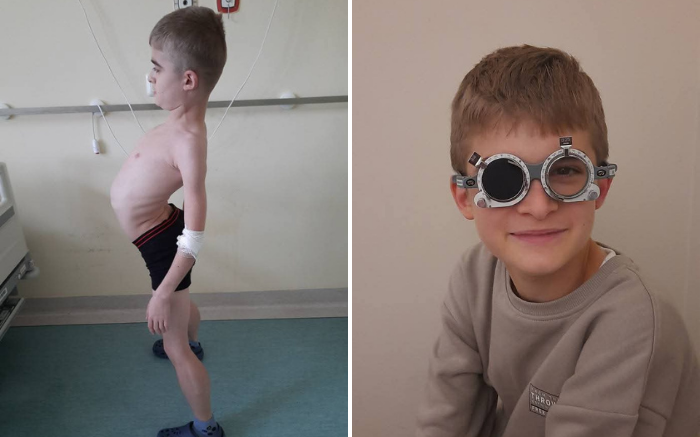
Today, Kornel is under the care of a dedicated team of specialists, including a neurologist, cardiologist, and pulmonologist. Rehabilitation is a constant in his life, taking place three times a week. Every session is a battle against muscle degeneration, a chance to preserve independence for as long as possible. Kornel fights hard to be active, engaged, and self-reliant, even when his body makes it difficult.
Recently, his family received life-changing news. Kornel was accepted into an innovative drug therapy program designed to slow muscle deterioration in patients with Duchenne muscular dystrophy. For his parents, it was a moment of long-awaited hope — proof that medical progress could offer their son more time, more strength, and more possibility.
Yet they know the truth. The medication is not a miracle. It cannot reverse the damage already done. It can only slow what lies ahead. That is why rehabilitation remains vital. Exercise therapy, specialized medical equipment, and daily support are essential for Kornel’s comfort, mobility, and dignity.
These needs come with overwhelming costs.
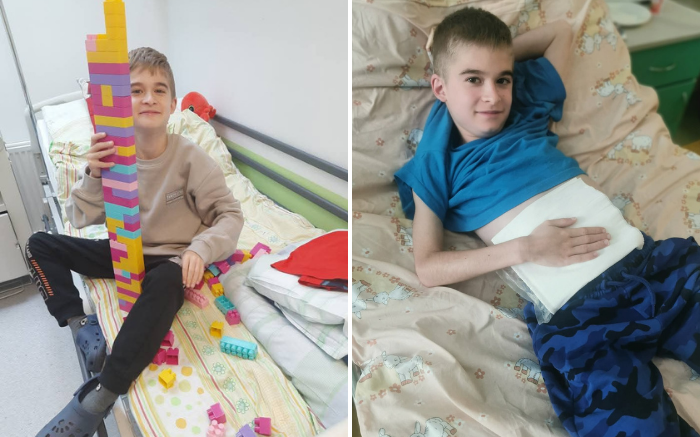
Kornel’s parents are not asking for pity. They are asking for help — help to continue their son’s rehabilitation, to provide equipment that will make everyday life easier, and to give Kornel the best possible chance at independence. Their request is rooted in love, resilience, and an unshakable belief that their child deserves every opportunity life can offer.
Kornel Zaborski’s journey is not just a medical story. It is a story of parental courage, of small victories earned through persistence, and of a child whose strength cannot be measured by muscle alone. His battle may be quiet, fought in therapy rooms and hospital corridors, but it is no less heroic.
And with the support of others, Kornel’s steps forward — however small — can continue, filled with hope, determination, and the promise of a future shaped not only by illness, but by love.