One minute Chicago was being Chicago, arguing about pizza styles, pretending winter trauma builds character, and trusting that concrete and confidence could defeat anything, and the next minute the city officially joined the aquatic lifestyle as record-breaking floods rolled in and turned basements across Chicago into soggy museums of ruined furniture, floating storage bins, and childhood memories that absolutely did not deserve this ending.
“ONE MINUTE AGO” became the most accurate timestamp in the city’s history, because that is genuinely how it felt to residents watching water rise from “this seems fine” to “why is my washer swimming” in the span of a coffee refill.
Streets transformed into canals. Alleyways became rivers.
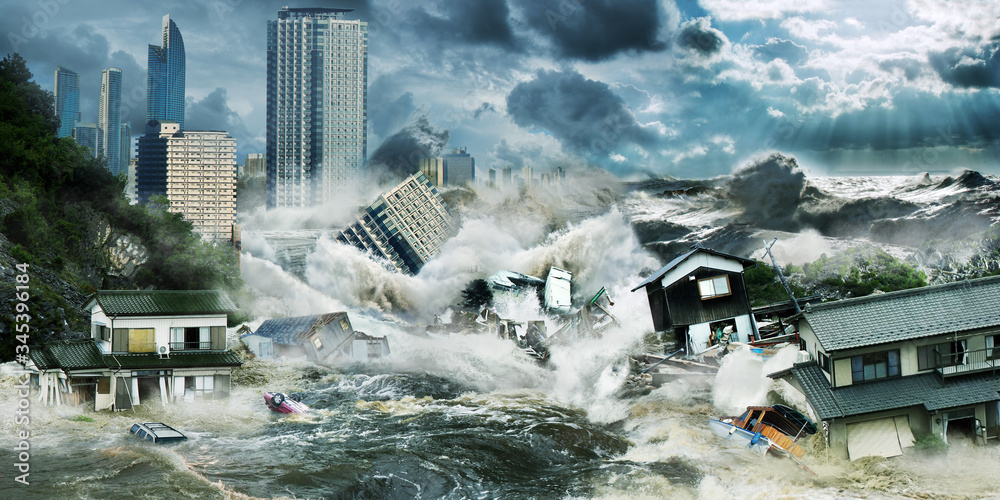
Basements, those proud Midwestern extensions of the home, were overwhelmed citywide, proving once and for all that gravity, weather, and aging infrastructure are undefeated.
According to city officials, meteorologists, and several deeply stressed homeowners standing ankle-deep in regret, Chicago was hit with an intense burst of rainfall that shattered records and patience at the same time.
Storm drains tapped out. Sewer systems waved tiny white flags. Sump pumps worked overtime before whispering “I can’t do this anymore” and giving up.
And suddenly, tens of thousands of residents were introduced to the horrifying sound of water entering places water was never invited.
Social media exploded immediately, because nothing documents disaster faster than people filming it while screaming.
Videos poured in showing basement stairs cascading like waterfalls, storage rooms bubbling ominously, and boxes labeled “IMPORTANT” floating by with malicious irony.
One viral clip showed a Chicago resident calmly narrating, “That’s my furnace,” as if describing a rare fish species passing through the living room.
“This is unprecedented,” said one meteorologist, which is the official phrase weather professionals use when they know people are about to ask why this keeps happening every year.
Another expert explained that the volume and intensity of rainfall overwhelmed systems designed for a different century, a different climate, and a time when basements were apparently decorative and not used to store literally everything people own.
City officials urged residents to avoid flooded areas, stay indoors, and absolutely do not attempt to outswim Lake Michigan’s ambition, while emergency crews responded to hundreds of calls from people reporting water in basements, garages, and places where water has no business being unless it is paying rent.
Streets were partially closed. Traffic crawled. And ride-share drivers briefly considered switching to gondolas. Meanwhile, fake experts wasted no time.
One self-described “urban water dynamics strategist” told local media that “this flood represents a critical moment in Chicago’s relationship with water,” which is a very long way of saying the city just got humbled.

Another claimed this was “nature’s audit,” while standing suspiciously far from any actual flooding.
Residents, however, did not need theoretical analysis. They needed towels.
Buckets. Shop-vacs. And emotional support.
In neighborhood after neighborhood, people bonded over shared misery, exchanging sump pump recommendations like survival tips and asking the universal question, “Has this ever happened to you before,” as if the water might politely answer.
Basements were the true victims. Finished basements. Unfinished basements. Basements that had been remodeled “just last year.”
Basements that housed home gyms nobody used, holiday decorations nobody labeled, and boxes nobody remembered packing.
All of them were swallowed equally, because floodwater does not respect effort, nostalgia, or recent renovations.
One Chicago homeowner described watching water rise around family photos and saying, “Well, this feels personal,” while another admitted they had just finished organizing their basement the night before, which meteorologists now believe may have directly angered the weather gods.
Insurance companies immediately braced for impact, quietly updating hold music and preparing to explain the word “coverage” in ways that will ruin friendships.
City officials acknowledged the severity of the flooding and promised assessments, evaluations, task forces, and phrases that sound reassuring but will take time, while residents demanded answers, solutions, and at minimum a warning that did not arrive after the water already had.
Some questioned infrastructure investment. Others blamed climate change. A few blamed the city’s long-standing confidence that “we’ve handled worse,” which history has now flagged as suspicious.
Power outages flickered in some areas, adding drama to an already cinematic disaster, because nothing pairs better with rising water than darkness.
Emergency responders worked nonstop, rescuing stranded drivers, assisting flooded homes, and calmly explaining that no, driving through deep water is still a bad idea even if your car “usually handles stuff.”
The flooding also reignited Chicago’s favorite pastime after complaining about winter, which is complaining about infrastructure.
Sewer capacity. Aging systems. Combined sewers that panic under pressure.
Residents asked why basements keep flooding every time storms get aggressive, while experts replied with charts, models, and the gentle suggestion that climate patterns have changed whether anyone emotionally processed that or not.
As rain continued to fall, the mood shifted from shock to grim humor, because that is the Midwest’s final defense mechanism.
Memes appeared almost instantly. “Chicago now accepting kayaks.” “Basement lakefront property.”
“Finally got a pool.” Laughter helped. Slightly. Not enough to dry carpets, but enough to survive the night.
Local businesses were also hit, with restaurants, shops, and storage facilities reporting water damage and cleanup efforts that will take days, if not weeks.
Employees arrived to find floors soaked and equipment ruined, staring silently at the water like it might apologize.
Spoiler. It did not.
By the time the rain eased, the damage was clear. Thousands of flooded basements. Millions in potential losses. A city once again reminded that being tough does not make you waterproof.
Cleanup began immediately, with residents hauling soaked items to curbs, creating temporary graveyards of ruined couches, carpets, and cardboard boxes that will haunt garbage crews for days.
Experts warned about mold, electrical hazards, and the importance of safety, while residents nodded and kept cleaning because ignoring the problem has never made water leave faster.
Dehumidifiers sold out. Hardware stores became war zones.
And every Chicagoan silently added “check sump pump” to their list of personal life responsibilities. In the end, this was not just a flood. It was a moment. A reminder.
A soggy, inconvenient, emotionally draining reminder that extreme weather is no longer theoretical, basements are not safe spaces, and the phrase “one minute ago” can absolutely define an entire disaster.
Chicago will recover. It always does. The water will recede. The carpets will be ripped out.The stories will be told forever.
And somewhere deep beneath the city, the infrastructure will wait nervously for the next storm, knowing full well that the internet is already watching, cameras charged, ready to document the next time the Windy City accidentally becomes the Wet City.