There are moments in parenthood when instinct speaks louder than reassurance. A quiet voice that says something isn’t right, even when everything else seems small, manageable, easy to dismiss. For Pia’s parents, that voice appeared when their daughter was just five months old—long before she could speak, long before she could explain what she was feeling.
It started subtly. Pia’s eyes often looked red. Tears pooled more than usual. Bright light made her squirm, turn away, cry harder than expected. At first glance, it seemed like something minor—perhaps an irritation, a sensitivity that would fade with time. But Pia’s parents couldn’t shake the feeling that this was more than a passing issue.
That feeling would end up saving their daughter’s sight.
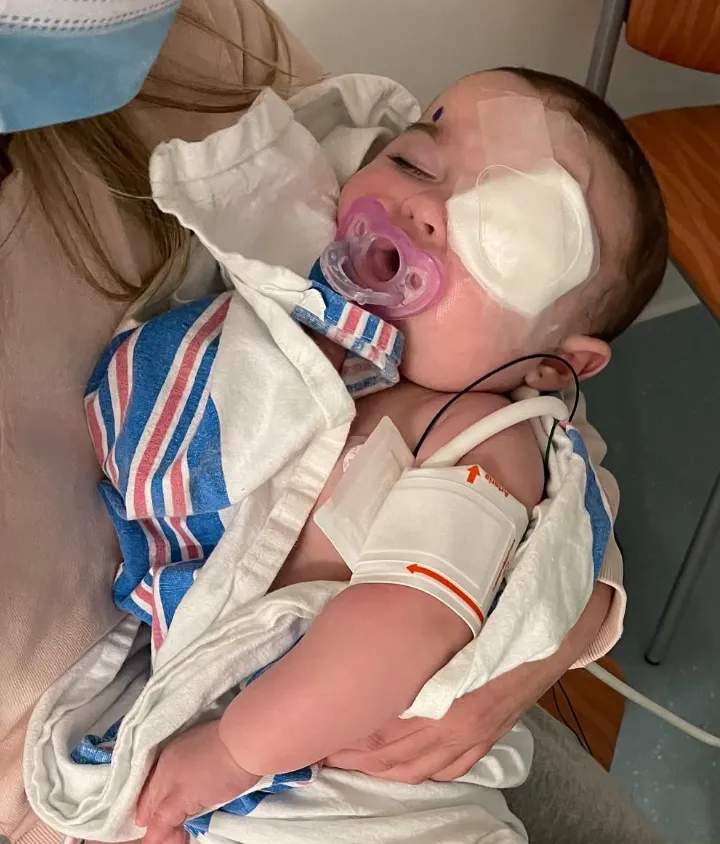
After seeking medical advice, Pia was diagnosed with Primary Congenital Glaucoma, a rare and serious condition present at birth. Unlike the more common forms of glaucoma seen later in life, this condition affects infants and young children, causing increased pressure inside the eye that can permanently damage the optic nerve if not treated quickly. Left undetected, it can lead to irreversible vision loss.
For Pia’s parents, the diagnosis was devastating.
In a matter of moments, the world shifted. The future they had imagined—simple, bright, carefree—suddenly felt fragile. Questions flooded in. Would she be able to see clearly? Would she recognize their faces? Would she grow up experiencing the world the way other children do?
Fear took hold, but so did resolve.
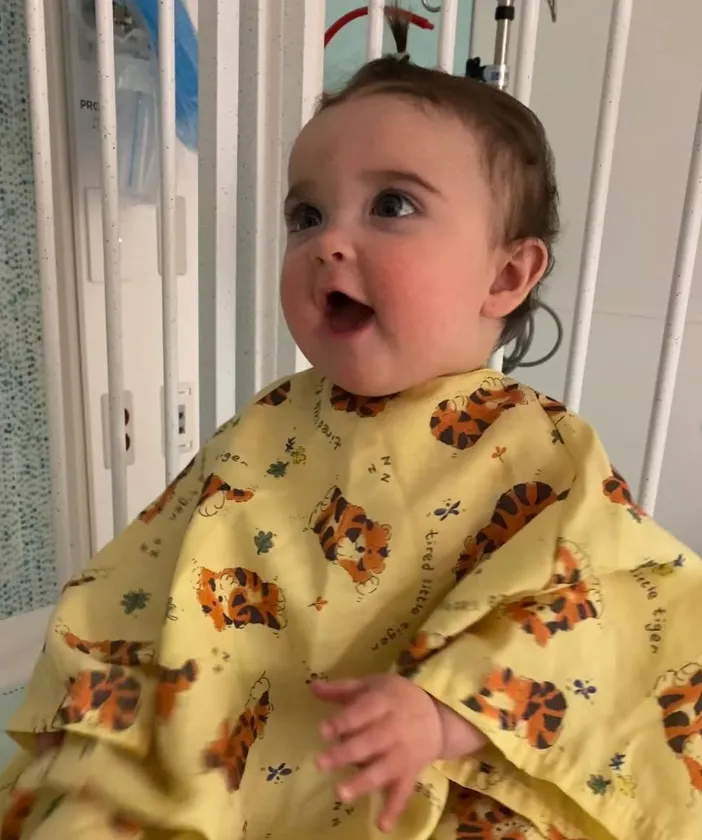
They were referred to the expert pediatric ophthalmology team at Cohen Children’s Medical Center, where experience met compassion in equal measure. From the very first appointment, Pia’s parents felt something change. The doctors didn’t just see a diagnosis—they saw a baby, a family, and a future worth protecting.
In her first year of life, Pia underwent three delicate eye surgeries, each one carefully planned to reduce the pressure inside her eyes and preserve her vision. For any parent, watching their baby go into surgery is one of the hardest things imaginable. The beeping machines, the tiny hospital gowns, the long hours of waiting—each moment felt endless.
But Pia faced every challenge with quiet strength.
Between surgeries, there were follow-up appointments, examinations under anesthesia, medications, and constant monitoring. Her parents learned new medical terms, new routines, new ways of measuring progress—not in milestones like first steps or first words, but in eye pressures, healing responses, and signs of stability.
And slowly, wonderfully, the news began to change.
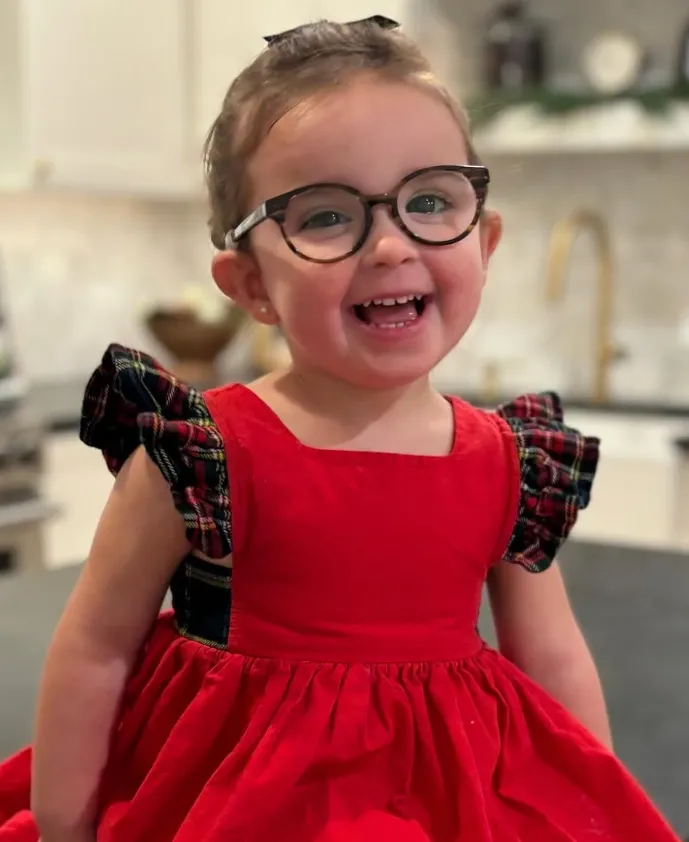
The surgeries worked. Pia’s eye pressures stabilized. The threat that once loomed so heavily over her future began to ease. With careful, ongoing care, her doctors confirmed that her vision was being protected—and that she had every chance to grow up seeing the world clearly.
Today, Pia is thriving.
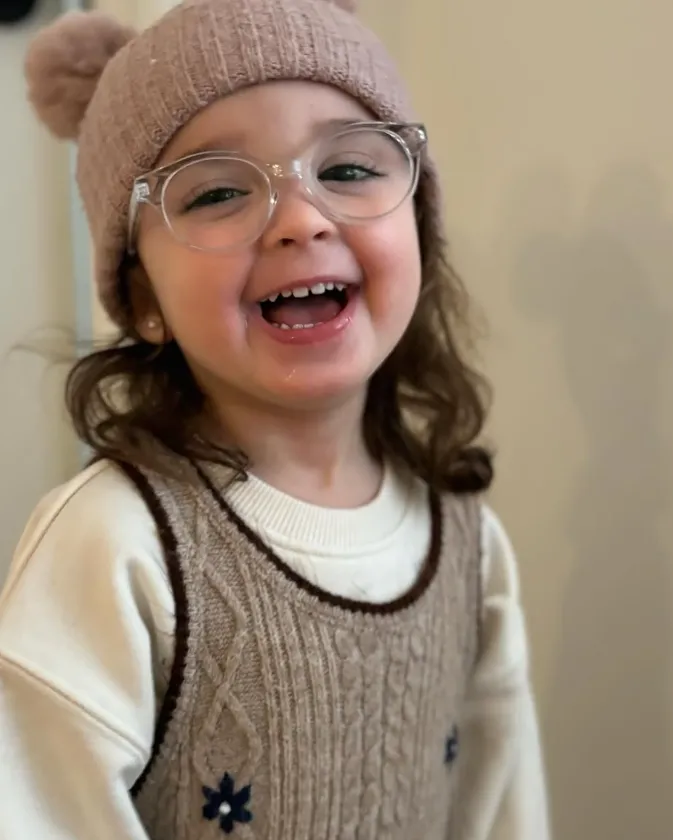
She is curious, playful, and full of personality. She wears her adorable round glasses with pride, as if they were a badge of everything she’s already overcome. At home, she has a favorite game—playing “eye doctor.” With her own little medical kit, she checks her mom and dad’s eyes, peering seriously as if she already understands how important vision truly is.
There is something profoundly moving about watching a child transform fear into play.
For Pia’s parents, those moments are everything. Each pretend exam is a reminder of how far she’s come. Each laugh, each sparkle in her eyes, is proof that early detection made all the difference.
Pia’s story is not just about a rare condition or complex surgeries. It’s about paying attention. About trusting parental instinct. About the life-changing power of early intervention and specialized care. And it’s about the medical teams who dedicate their lives to protecting futures that are only just beginning.
Primary Congenital Glaucoma may be rare, but awareness saves sight. Pia’s journey stands as a testament to what is possible when symptoms are taken seriously, when families advocate fiercely, and when skilled hands and compassionate hearts work together.
Because sometimes, noticing the smallest signs can protect the most precious thing of all—the way a child sees the world.