Embarking on a road trip across the Himalayas is both thrilling and challenging. With its stunning landscapes and adventurous routes, the Himalayas promise unforgettable experiences. This guide covers key tips, preparation steps, and insights to ensure an amazing journey through this magical region.
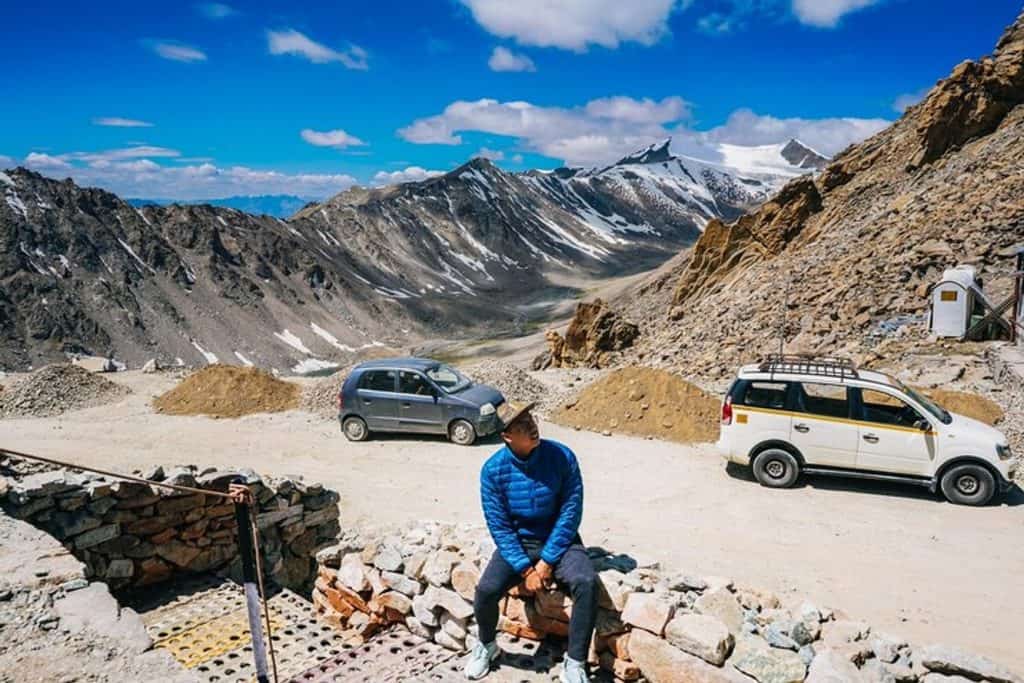
Essential Preparations for a Himalayan Road Trip
Preparing for a Himalayan road trip is not just necessary, it is essential. The mountains demand respect for the unpredictable weather and road conditions. You need to plan carefully for a stress-free journey.
Start by double-checking all vehicle documents like insurance and permits. Keep both physical and digital copies handy. Create an itinerary but leave room for delays due to roadblocks or weather. Carry extra cash, as ATMs might not work in remote regions. Ensure you have emergency contact numbers saved.
It is important to pace yourself while driving. Long hours can lead to exhaustion, so take frequent breaks. Keep a basic first-aid kit and emergency supplies in the car. Planning in advance ensures you enjoy every moment of the trip.
Choosing the Best Time to Travel the Himalayas
The best time for a Himalayan road trip depends on the route and your preferences. Summers from May to June offer clear skies and warm weather, making it ideal for exploration. During monsoon months, from July to September, roads become slippery and landslides might occur.
Autumn is considered perfect, with September and October offering amazing views and pleasant weather. Winters turn some routes impassable due to snow. However, if you like snow-covered landscapes, try December or January in lower altitude destinations.
Each season creates unique scenery, so choose based on the experience you want. Checking weather updates before traveling is very important.
Top Routes for Exploring the Himalayas by Road
The Himalayas have some of the world’s best road trip routes. From rugged terrains to lush valleys, each offers something unforgettable.
- Manali to Leh Highway: This famous route crosses multiple high-altitude passes. You will see stunning views of rocky landscapes along the way.
- Spiti Valley Road: Known for its remote beauty, this route has breathtaking monasteries to stop at. Roads here require careful driving.
- Srinagar to Leh: This serene route has gorgeous landscapes and culturally rich pit stops. The journey is calming but challenging.
- Darjeeling to Gangtok: A scenic road filled with tea gardens and misty viewpoints. It is best for short-distance road trips.
- Delhi to Nainital via Corbett: Perfect for beginners, this route combines charming hill views with adventure opportunities.
Each route demands alert driving but rewards travelers with incredible sights. Select based on your comfort and time.
Must-Have Gear and Equipment for Your Trip
Packing for a Himalayan road trip requires careful thought to ensure you have everything needed for the journey. A few essential items can make life easier while traveling through unpredictable terrains.
- Extra clothes and layers: The weather changes quickly, so pack warm jackets and rain gear.
- Snacks and water: Carry dry snacks and refillable water bottles, as supplies are limited in remote areas.
- Powerbanks and chargers: Always have ways to recharge your devices while on the road.
- Maps and GPS tools: Technology might fail. Paper maps act as a backup option in case signals fade.
- Sleeping bags and basic camping gear: If plans change, being ready for overnight camping is a savior.
Do not forget to double-check luggage before departure.
Safety Tips for Driving Through Mountainous Terrain
Driving in the Himalayas is exciting but risky, requiring both skill and alertness. You need to remember to stay calm and focused throughout.
The roads tend to be narrow, winding, and with blind curves. Always use your horn to signal while turning on curves to alert others. Keep your speed slow and avoid last-minute braking. Vehicles coming uphill usually have the right of way, so give space.
Do not ever drive after dark in remote areas. Lack of streetlights and sudden hazards make nights dangerous. Always keep an emergency number handy for accidents or breakdowns. Practice caution and patience for safe travels.
Cultural Etiquette and Local Insights
The beauty of a Himalayan trip lies in its diverse cultures and people. It is important to understand local etiquette to build positive interactions with communities.
Always greet locals with respect, using regional greetings like “Julley” in Ladakh. Do not click pictures of people or places of worship without asking permission. Himalayan monasteries and temples are sacred, so abide by rules such as no loud noises or inappropriate clothing.
Supporting local businesses during your journey is considerate. Purchase handmade crafts or eat local food to help small vendors. Engaging with people respectfully creates a more enriching experience.
Best Spots for Camping and Overnight Stays
The Himalayas are home to countless scenic camping spots and cozy accommodations you can enjoy overnight. Here are some of the best:
- Pangong Lake, Ladakh: Famous for its stunning blue waters, camps along the banks are amazing.
- Tirthan Valley, Himachal: Perfect for those who love tranquility. Multiple riverside camping sites exist.
- Chopta, Uttarakhand: A base for trekking, camping here offers amazing stargazing opportunities.
- Nako, Spiti Valley: A remote spot with mesmerizing mountain views for campers to explore.
- Goecha La Base Camp, Sikkim: A challenging trek leads to prime camping beauty near Kanchenjunga.
For less adventurous travelers, many small resorts and guesthouses are available. Discover these gems along your route.
Top Attractions and Unmissable Views Along the Way
A Himalayan road trip offers endless jaw-dropping attractions. Prepare to stop frequently to absorb the unbelievable sights.
Admire Nubra Valley’s sand dunes and ride camels in the high-altitude desert. Visit Key Monastery in Spiti, an ancient Buddhist site surrounded by snow-capped peaks. Rohtang Pass provides panoramic views of snowy mountaintops and rugged areas.
Breathtaking Bhimtal is a serene lake destination to picnic. On the other hand, Zanskar Valley’s secluded corners appeal to photography lovers. Each location showcases the raw beauty of Himalayan landscapes. Never rush, as appreciating details makes the journey magical.
How to Handle Weather Challenges in the Himalayas
Weather in the Himalayas is completely unpredictable. Handling it well is key for a smooth journey. Be prepared.
Snowfall and rains disrupt roads often. Check local updates online or from locals before continuing. Routes can close last moment, so always carry enough food and fuel. For altitude sickness, drink water regularly and rest whenever you feel lightheaded.
Himalayan weather demands patience. Dressing properly with breathable layers ensures staying warm and dry. Preparing for uneven weather should top your priority list.
What are the most scenic routes for a Himalayan road trip?
The Manali-Leh Highway wins for its raw beauty and high passes. Spiti’s route offers remote charm and monasteries. Srinagar-Leh is peaceful but adventurous.
How can I prepare my vehicle for rough mountain roads?
Always check brakes, tires, and engine health before departure. Carry an extra tire, oil, and basic repair tools.
What should I pack for a road trip across the Himalayas?
Pack layered clothing, camping gear, and extra food supplies. Carry both cash and emergency kits along.
Is camping safe in the Himalayas?
Yes, but choose secure spots recommended by locals. Be cautious of wild animals and check changing weather.
Every Himalayan pocket holds memories waiting to be created. Take one day at a time. Make your next driving adventure unforgettable!