Lesser-known trails feel like mysteries in your own area. These paths hold beauty wildlife and quiet peace from the crowds. This blog shows why hidden treasures are worth an adventure.
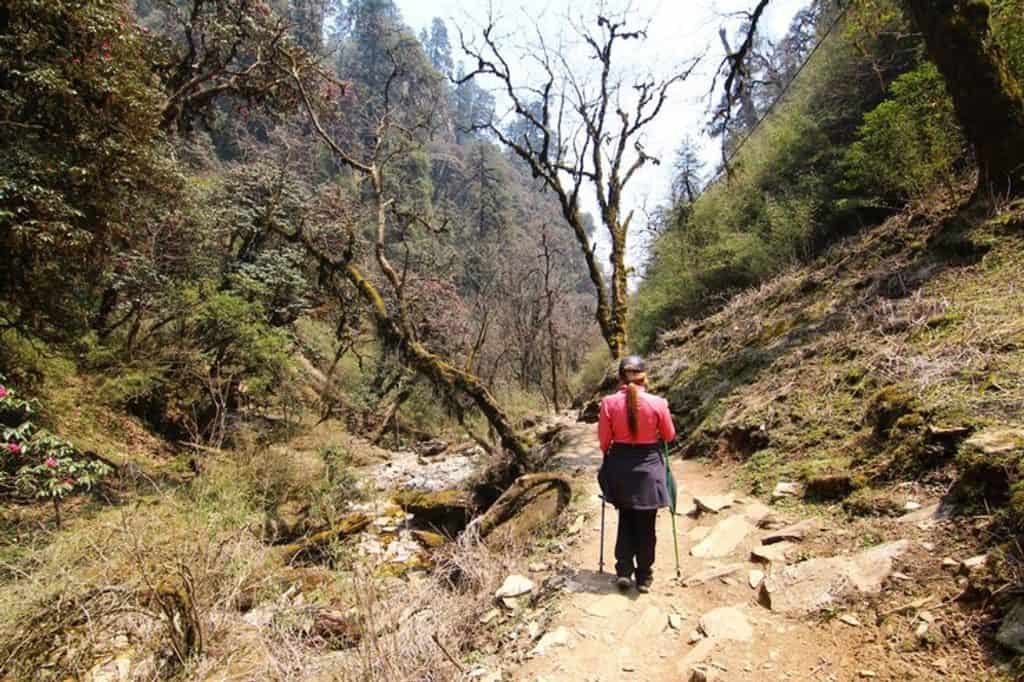
Discover Hidden Gems in Your Backyard
People actually miss trails near their homes often I think. Hidden spots may have unique history or stunning natural beauty. Exploring them can bring a sense of personal discovery.
Often these trails are ignored because they lack promotion. They are peaceful less crowded and give personal experiences in nature. Wildflowers and waterfalls in untouched woods often stay unnoticed.
Ask friends and locals about hidden nearby hiking spots. Try hiking at different times in a week. Early mornings usually feel most peaceful for hikes.
Why Local Hiking Trails Are Underrated
Not all trails are publicized or shared in Instagram shots. Many lesser-known trails actually surprise you more than famous routes. Trails without facilities can still offer pure natural wonders.
Local trails are often right in front of you, but people do not notice them. They are like the quiet hero of your area that quietly exists, waiting to be explored. Their charm lies in untouched ecosystems and undisturbed peace.
If you are fortunate, your region’s local trails might even offer cultural stories. For instance, smaller villages often preserve the history of how and why these trails exist. Exploring them turns an adventure into a fascinating cultural experience.
Navigating Trails Without a Map
Using a map for hidden trails is, indeed, not always possible because detailed guides are rare. Trust your senses and use landmarks.
- Start by learning to identify major natural elements like rivers and ridges because they guide direction.
- Pay close attention to small changes in trail surfaces, such as rocks, leaves, or compact soil.
- Notice the position of the sun to figure out basic cardinal directions.
- Use local features like unique trees or formations as personal checkpoints on your way.
- Most importantly, do small test walks before going deep on a new trail.
This builds confidence as well as familiarity. Sometimes trails loop back, surprising you in unexpected ways, so maintain keen observation about them.
Seasonal Considerations for Hidden Trails
Hidden trails are unique, and so are their challenges, depending on the time of year. Every season changes their landscape.
Spring often brings fresh views, with blooming plants and refreshed streams. Summer is excellent for longer daylight hours, but this is also a time when the heat can fatigue hikers on these trails. Many unknown trails lack shaded zones, so you will need to plan hydration carefully.
Fall changes can make trails filled with striking orange and red leaves. However, weather variability in fall makes paths slippery. Winter brings calm but often harsh winds and snowy paths. Choosing seasons wisely helps avoid hardships and enjoy the experience.
Essential Gear for Remote Hiking Adventures
Lesser-known trails demand cautious gear due to unpredictable conditions. Proper items ensure safety.
- A quality GPS-enabled device creates security for navigating without actual trail maps.
- Good hiking boots prevent accidents from slippery naturally formed paths like muddy routes.
- Waterproof layers protect against unpredictable showers that often happen on hidden trails.
- Always carry adequate snacks for extra energy and filtering tools for accessing natural water sources.
- Emergency whistles, compact first aid kits, and an efficient backpack ensure preparedness along untamed paths.
Packing with care prevents turning these adventures into memorable experiences instead mistakes-filled endings.
Connecting with Locals to Find Secret Routes
Locals are basically the key to finding real hidden gem trails that no social media shows. They know every curve, danger, or viewpoint.
Strike conversations during community meet-ups or even local markets; locals always seem eager in passing small, helpful tips. Regional outdoor clubs also help bridge gaps for first-time explorers.
Listening closely when locals talk about landmarks like “big rock near banyan tree” rather than relying on fixed maps helps better adventures unfold. Never underestimate the depth of what curious dialogues reveal about spots.
Friendly chatting transfers wisdom missed otherwise, leading hikers beyond tourist-covered spaces while keeping safety firsthand.
Wildlife Encounters on Forgotten Trails
Walking hidden trails often means meeting animals in their homes. Each trail has its ecosystem.
Many smaller trails are local animal corridors for deer, smaller mammals, or exotic birds because remote regions lack nearby human interruptions. However, wild boars, monkeys, or snakes sometimes cross paths unexpectedly. One should learn the art of being calm when meeting wildlife since panic causes danger.
Photographers enjoy paradise-level rare bird encounters, but remember distancing keeps animals unstressed while keeping hikers unharmed!
Preserving Nature on Lesser-Known Paths
As hidden places gain visitors, the protection becomes vital. The natural biodiversity deserves minimal impact visits.
Walking softly means leaving literally no waste or loud signs disrupting silent beauty. Take reusable water bottles over plastic-constructed ones, and biodegradable wrappers support leaving routes as untouched as found.
Forming mini hiking groups often minimizes outdoor footprint significantly, compared solo careless usage accidentally damaging fragile habitats unknowingly.
Hiking pioneers develop trail-conscious movements teaching importance: love where walked first instead escalating permanent eroded footprints. Trails should flourish for future generations trekking worthwhile unseen experiences remarkably different.
Stories Behind the Forgotten Trails
Sometimes, hidden trails were created for reasons woven tightly with communities around them. Often they carry lost cultural folklore.
There are trails once traveled by monks delivering wisdom through mountains quietly. Villages claim abandoned routes connecting two historic trading outposts. Pieces like faded carvings etched in rocks bore precisely untold spots of reflective old chapters discovered.
Sharing stories makes bond-building between hikers fascinating moments adding trail’s personal uniqueness rich layers. Whenever trails suddenly diverge unexpectedly mystery deepens curiosity thousandfold about untold roads’ prior usage bygone details never formally documented manuals researched depth deeper.
Tips for Planning Your Off-Grid Hiking Trip
Remote trips need careful planning for safety. It avoids accidents or mismanagement ruining fun.
- Research trails because terrain overview eases risks properly assessed prior starting trails right.
- Carry identification ensuring strangers assist emergencies arise suddenly troubling nobody knows location midway unplanned badly wandering.
- Establish buddies hiking methods dividing goods across packs backup failures occur equally prepared everyone.
- Extra-cell battery chargers prolong essential calling times preserving minutes emergency moments called disconnected feels wrongly devastating later entirely preventable fears.
Detailed checklist completion ensures preparedness-filled positive outputs adventure expectations surefire outcomes guided smoothest unticked boxes adventure timeline relaxed.
What are some signs of a hiking trail being less known or hidden?
Secluded trails often lack visible signposts. Absence of facilities, crowds, and popular searches highlight hidden spaces. Look for overgrown vegetation, unclear starting points, or trails mentioned only by locals. Smaller parking areas near zones can also signal less explored spots.
What are the best seasons for exploring hidden hiking routes?
Fall gives great foliage views and pleasant cooler weather. Spring also offers availability enriched flowers bursting heavily blooming paths. Each season carries unique charms changing scenes making rotating discoveries endlessly exciting yearly hikes repeated.
What should hikers pack for remote and lesser-known trails?
Pack compact GPS technology ensuring accurate following unmapped turns GPS devices. Navigational clarity increases survival percentages avoiding unintentional exploratory traps unknown twists reverting unintended segments boundaries crossed suddenly careless inconsistent map lacks unexpectedly wrongly.